Bram Stoker’s Dracula (1897) is one of the most widely reprinted novels in the English language. Because the book has been in the public domain for decades, hundreds of publishers—ranging from cheap print-on-demand mills on Amazon to luxury leather-bound presses and academic publishers—offer versions of the text.
However, not all editions of Dracula are created equal. Reading an unedited, cheaply OCR-scanned public domain reprint with tiny font and zero contextual notes will quickly turn Stoker’s atmospheric Victorian masterpiece into a frustrating slog of archaic nautical terms, 1890s legal jargon, and obscure Transylvanian geography.
Whether you are a student reading Dracula for an English literature class, a horror aficionado wanting a stunning collector’s display copy, or a casual reader looking for the smoothest digital reading experience, here is your definitive ranking of the best editions of Dracula available today.
| Edition Type | Best For | Price Range | Key Advantage |
|---|---|---|---|
| DodaBooks Annotated Ebook | Digital readers, students, deep-context lovers | $2.99 – $4.99 | Comprehensive margin annotations, clean layout, mobile-friendly |
| Norton Critical Edition | Academic scholars, university students | $18.00 – $24.00 | Heavy scholarly essays, historical background, feminist criticism |
| Penguin Classics (Deluxe) | Casual readers, paperback lovers | $12.00 – $16.00 | High-quality French flaps, cover art by Ruben Toledo |
| Folio Society / Easton Press | Book collectors, heirloom gift givers | $95.00 – $175.00 | Leather/cloth binding, gilded edges, archival paper, bespoke illustrations |
| Project Gutenberg (Free) | Budget readers | Free ($0.00) | Barebones text file; lacks notes, illustrations, and formatting |
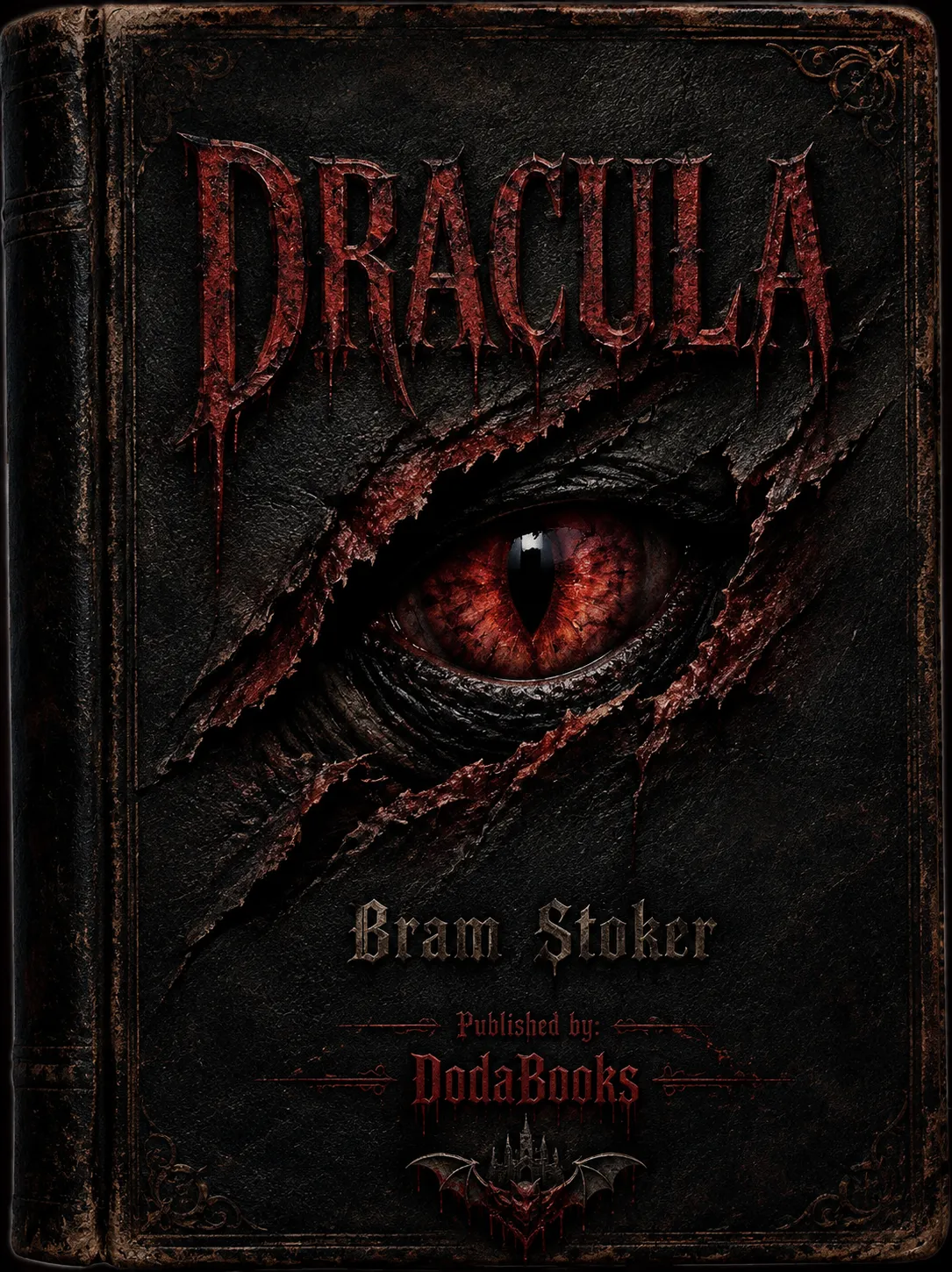
🦇
Where to Buy Dracula: Best Editions Ranked & Compared
From modern digital annotated editions to luxury hardcovers and scholarly paperbacks—find the perfect copy of Bram Stoker's vampire classic.
🔍 Why Buying an Annotated Edition of Dracula Matters
Many first-time readers assume that because Dracula is a horror story about vampires, it reads like modern commercial fiction like Stephen King or Anne Rice. In reality, Bram Stoker was writing in 1897, and the text is loaded with late-Victorian nuances that baffle unprepared readers:
- Obsolete Nautical and Legal Terms: Jonathan Harker is a conveyancing solicitor dealing with “feoffments,” “deeds in escrow,” and “hereditaments.” When the Demeter runs ashore, the ship logs describe “bitts,” “clewlines,” and “running rigging” that lose modern readers without inline glossaries.
- Victorian Medical Practices: Van Helsing and Dr. Seward perform pioneering blood transfusions in a era before blood types (A, B, AB, O) were discovered in 1900. Without notes explaining why blood transfusions were high-risk experimental gambles in 1897, modern readers miss the mortal terror of the scene.
- Romanian Folklore & Dialect: When Harker travels through the Borgo Pass, locals warn him of the “vrolok” and “vlkoslak”—Slovak and Serbian terms for werewolves and vampires. Annotations reveal how Stoker collected authentic folklore from Emily Gerard’s 1888 travelogue The Land Beyond the Forest.
- The Epistolary Structure: Because the story is told entirely through letters, diaries, telegrams, and newspaper clippings, an annotated edition includes chronological reading aids and timelines to help you track concurrent events happening between Transylvania, Whitby, and London.
🏆 Top 5 Editions of Dracula Ranked
1. The DodaBooks Annotated Digital Edition (Best for Modern & Mobile Readers)
For readers who prefer reading on Kindles, iPads, smartphones, or Kobo devices, the DodaBooks Annotated Edition of Dracula is specifically engineered to eliminate reading friction:
- Instant Pop-Up Annotations: Tap any obscure Victorian phrase, historical date, or nautical term to read immediate definitions without losing your place in the narrative.
- Complete Unabridged Text: Meticulously proofread against Stoker’s original 1897 Archibald Constable first edition—no missing paragraphs or OCR scanning errors common to cheap Amazon downloads.
- Integrated Character & Timeline Maps: Includes detailed visual breakdowns of the 27 chapters, character relationship webs, and Van Helsing’s tracking route from London to the Black Sea.
- Value: Exceptional value compared to heavy, expensive physical critical textbooks.
2. The New Annotated Dracula by Leslie S. Klinger (Best Heavyweight Reference)
If you want a physical coffee-table reference encyclopedia of Dracula, Leslie S. Klinger’s The New Annotated Dracula (published by W.W. Norton) is legendary:
- Pros: Contains over 1,500 detailed footnotes, historical photographs of 1890s Whitby, facsimile pages of Stoker’s original manuscript notes, and deep historical essays.
- Cons: Massive and heavy (over 600 oversized pages). It is nearly impossible to read comfortably in bed or while commuting; it is designed to be studied at a desk.
3. Norton Critical Edition (Edited by Nina Auerbach & David J. Skal)
For university literature students and teachers, the Norton Critical Edition remains the classroom gold standard:
- Pros: Includes Stoker’s working notes, contemporary 1897 reviews, and prominent 20th-century critical essays covering psychoanalysis, gender theory, and Victorian imperialism.
- Cons: Smaller font, dense academic paper, and footnotes that lean heavily toward theoretical literary criticism rather than smooth story comprehension.
4. Penguin Classics Deluxe Edition (Paperback)
For casual readers who want a physical paperback with gorgeous shelf presence:
- Pros: Features striking, tactile deckle-edge paper and black-and-pink cover illustrations by fashion illustrator Ruben Toledo. Includes a solid introductory essay by novelist Christopher Frayling.
- Cons: Contains minimal explanatory footnotes compared to true annotated editions; you will still encounter unfamiliar Victorian phrasing that requires outside lookup.
5. Folio Society / Easton Press Collector’s Editions
For bibliophiles who treat books as pieces of decorative art:
- Pros: Bound in genuine leather or woven buckram cloth with gold foil stamping, archival smyth-sewn binding, ribbon page markers, and bespoke full-color oil paintings.
- Cons: Premium price tag ($95–$175+). These editions rarely include extensive annotations, focusing instead on luxurious physical presentation.
🚫 Avoid Cheap “Amazon Knockoff” Reprints
When searching for Dracula on Amazon or Google, you will see dozens of paperbacks selling for $3.99–$6.99 with generic stock-photo covers. Avoid these editions at all costs:
- Automated Scraping: They are generated by automated bots that scrape free Project Gutenberg text and dump it into automated print-on-demand templates.
- Zero Proofreading: Hyphenated words from the original line breaks become garbled typos (e.g., “to- morrow” or “c- astle”).
- No Page Margins: Text runs directly into the spine, requiring you to break the book’s glue just to read the ends of sentences.
- Zero Supplementary Value: No introductions, no footnotes, no maps, and no character guides.
📊 Summary: Which Edition Should You Choose?
+-------------------------------------------------------------+
| DRACULA BUYING DECISION MATRIX |
+-------------------------------------------------------------+
| IF YOU WANT... | BUY THIS: |
|---------------------------------------|---------------------|
| Digital reading with instant notes | DodaBooks Annotated |
| College seminar / literary theory | Norton Critical |
| Massive desktop reference volume | Leslie Klinger |
| Beautiful bookshelf display paperback | Penguin Deluxe |
| Luxury leather heirloom gift | Easton Press/Folio |
+-------------------------------------------------------------+
## 📖 Choosing Your Format: Ebook vs. Paperback vs. Hardcover
Beyond picking a specific publisher, deciding on the physical or digital format of *Dracula* significantly impacts your reading comfort:
- **Ebook / Digital Edition (Recommended for Speed & Convenience)**: Because *Dracula* spans nearly 160,000 words across 27 epistolary chapters, reading a 500-page physical book in bed or while commuting can cause hand fatigue. An annotated ebook gives you responsive font sizing, night mode for reading in the dark (the ideal setting for gothic horror), and instant dictionary lookups for obscure 19th-century terminology without flipping back and forth to an endnotes section.
- **Trade Paperback (Best for Students & Marginal Notes)**: If you are an active annotator who prefers using physical highlighters, pens, and sticky tabs for an academic course, a quality trade paperback (such as the Norton Critical or Penguin Classics) offers generous margins and portable durability.
- **Deluxe Cloth / Leather Hardcover (Best for Collectors)**: If *Dracula* is your favorite novel of all time and you want a showpiece for your library, an illustrated hardcover from the Folio Society or an embossed vintage cloth edition provides tangible sensory pleasure with ribbon markers, heavy archival paper, and gothic endpapers.
<div class="inline-cta">
<p><strong>Start reading Dracula the way it was meant to be read.</strong> Download the complete unabridged text with custom annotations directly from DodaBooks.</p>
<a href="https://dodabooks.com/ebook/dracula" class="cta-button">Buy the Annotated Edition at DodaBooks ($2.99)</a>
</div>
## Frequently Asked Questions
<div class="faq-item">
<h4>Is Dracula free to read online?</h4>
<p>Yes. Because Dracula was published in 1897, its copyright has expired and the raw public domain text is available for free on sites like Project Gutenberg. However, free versions contain no explanatory notes, no character guides, and no historical context for archaic 19th-century terminology.</p>
</div>
<div class="faq-item">
<h4>What is the difference between an annotated edition and a regular edition of Dracula?</h4>
<p>A regular edition contains only Bram Stoker's original text. An annotated edition includes margin notes, vocabulary definitions, historical background on Victorian medicine and Romanian geography, and chapter summaries that illuminate hidden themes and subtext.</p>
</div>
<div class="faq-item">
<h4>Is Bram Stoker's Dracula hard to read?</h4>
<p>Dracula is much easier to read than earlier gothic novels like Frankenstein or The Castle of Otranto because it is written in modern Victorian journalistic prose. However, the epistolary format (diaries and telegrams) and 1890s legal and nautical terminology make an annotated edition strongly recommended for first-time readers.</p>
</div>
<div class="faq-item">
<h4>Does Dracula have different versions or sequels written by Bram Stoker?</h4>
<p>Bram Stoker only wrote one Dracula novel in 1897. In 1901, a slightly abridged sixpenny paperback was published in Britain with minor trims, but all modern authoritative editions follow the complete unabridged 1897 first edition text.</p>
</div>
<div class="faq-item">
<h4>Where can I buy an affordable annotated Dracula ebook?</h4>
<p>You can purchase the fully annotated digital edition directly from DodaBooks.com, formatted for Kindle, iPad, Kobo, and all major e-reading devices.</p>
</div>
<div class="cta-card">
<img src="/images/dracula.webp" alt="Dracula Annotated Edition" class="cta-card-img" />
<div class="cta-content">
<h3>Get the Definitive Annotated Edition of Dracula</h3>
<ul>
<li>Complete, unabridged 1897 text with hundreds of inline explanatory notes</li>
<li>Victorian nautical terms, legal phrasing, and Romanian folklore explained</li>
<li>Instant download compatible with Kindle, Apple Books, Kobo, and PDF</li>
</ul>
<a href="https://dodabooks.com/ebook/dracula" class="cta-button">Get Your Copy at DodaBooks Today</a>
</div>
</div>