The Marvellous Land of Snergs Characters Explained: Gorbo, Golithos & Cast
Published in London in 1927, Edward Augustine Wyke-Smith’s The Marvellous Land of Snergs remains one of the most delightful achievements of early twentieth-century British children’s fantasy. Combining the pastoral domesticity of Kenneth Grahame’s The Wind in the Willows with the picaresque adventure of traditional English fairy tales, Wyke-Smith populates his hidden realm with an unforgettable ensemble of eccentric personalities.
From the diminutive, banquet-loving titular Snergs to a conscience-stricken vegetarian giant and an ancient, malevolent river witch, the novel explores themes of courage, loyalty, moral reformation, and childhood independence through characters who subvert traditional folklore stereotypes.
This comprehensive character study provides in-depth profiles, symbolic roles, psychological motivations, and developmental arcs for all major and secondary figures in Wyke-Smith’s beloved story.
| Character | Species / Identity | Moral Alignment & Archetype | Core Traits & Narrative Significance |
|---|---|---|---|
| Gorbo | Snerg (Diminutive Folk) | Comic Protagonist / Unlikely Hero | Lovable, clumsy, food-obsessed, and loyal; overcomes cowardice to rescue Sylvia and Joe. |
| Golithos | Giant (Ogre) | The Reformed Antagonist | Struggling with his hereditary carnivorous nature; practices comedic vegetarianism; becomes a faithful protector. |
| Mother Meldrum | Swamp Witch | The Primordial Folklore Villain | Ruthless, ancient, and decrepit; lives in a sunken marsh fortress; brews life-draining potions in a giant cauldron. |
| Sylvia | Human Child (Runaway) | The Practical Inquirer | Observant, maternal, and intelligent; tames Golithos with seasoned cooking; moral center of the expedition. |
| Joe | Human Child (Runaway) | The Rash Adventurer | Bold, spirited, and impatient; yearns for masculine autonomy; initiates the escape from the Watkyns home. |
| Baldry | Elder Snerg | Prudent Mentor / Voice of Caution | Skeptical, experienced court advisor; balances Gorbo’s scatterbrained enthusiasm during the quest. |
| King K | Monarch of the Snergs | Benevolent Sovereign | Dignified and hospitable ruler; fiercely protects the secrecy and safety of the Snerg community. |
| Miss Watkyns | English Philanthropist | Well-Meaning Guardian | Benevolent patron of the recovery home; provides the structured civil world from which the children flee. |
🍄 1. Gorbo the Snerg: The Unlikely Hero
THE HEROIC ARC OF GORBO
Bumbling Forester ──► Overconfident Guide ──► Panicked Runaway ──► Valiant Rescuer
(Acorn Gathering)     (The Wrong Defile)      (The Swamp Trap)      (Storming the Lair)
Gorbo is the emotional anchor and primary source of comedic delight throughout the adventure. Standing roughly three feet tall, round-bellied, red-cheeked, and dressed in sturdy leather woodland garments, Gorbo embodies the quintessential spirit of the Snerg race:
- The Passion for Gastronomy: To Gorbo, food is not merely sustenance; it is the ultimate moral good. Every plan, celebration, or danger is measured in terms of baked meat pies, warm apple tarts, roasted nuts, and sweet elderberry cider. Even in the depths of peril, Gorbo pauses to wonder what the Snerg cooks are preparing for supper.
- Well-Meaning Incompetence: Unlike traditional mythic guides who possess ancient wisdom and infallible instincts, Gorbo is delightfully scatterbrained. He holds maps upside down, misinterprets compass directions, and confidently leads the children into the territory of dangerous ogres while proudly boasting of his pathfinding prowess.
- Moral Courage over Physical Stature: Despite his comical flaws, Gorbo’s defining quality is unyielding loyalty. When Sylvia and Joe are dragged into the witch’s sunken fortress, Gorbo sheds his natural timidity. He does not flee to safety; he runs through perilous bogs, rallies the giant Golithos, organizes a military siege, and physically attacks Mother Meldrum with a fireplace poker to save the children.
Through Gorbo, Wyke-Smith champions the classic British fantasy principle that true heroism resides not in towering physical might or magical weapons, but in ordinary, humble kindness and unwavering devotion to friends.
🍖 2. Golithos the Giant: The Conscience-Stricken Ogre
Golithos is Wyke-Smith’s most original and psychologically nuanced creation. In traditional British and European fairy tales (such as Jack the Giant Killer), giants are depicted as brutal, mindless, child-eating monsters deserving of immediate slaughter. Wyke-Smith brilliantly subverts this trope by introducing a giant burdened with a modern ethical conscience.
THE DUAL NATURE OF GOLITHOS
Hereditary Ogre Heritage:            Awakened Moral Conscience:
Thirty feet tall, bone-crushing club ◄─────► Dedicated vegetarian reader
Roars that shake mountain pine-trees ◄─────► Crying over tasteless boiled cabbage
Tempted by tender human meat         ◄─────► Swearing a knightly oath to protect Sylvia
The Comedy of Ethical Vegetarianism:
Standing thirty feet tall and carrying an uprooted birch tree, Golithos terrifies the travelers upon their first encounter. Yet they quickly discover that the giant is in the throes of an existential moral crisis:
- Desiring to be a civilized gentleman, Golithos has renounced eating human travelers and meat.
- Instead, he subsists entirely on mountains of boiled nettles, steamed turnips, and plain cabbage—a diet that leaves him perpetually bloated, irritable, and hungry.
- When Sylvia shows him how to flavor his boiled roots with wild sage, thyme, and salt, Golithos weeps with gratitude, adopting the children as his beloved wards.
Golithos represents the redemptive power of sympathy. By treating the feared ogre with dignity rather than violence, Sylvia unlocks his noble potential, transforming a potential devourer into their fiercest guardian.
🧙♀️ 3. Mother Meldrum: The Ancient Swamp Witch
Serving as the dark antithesis to the cozy, humorous world of the Snergs, Mother Meldrum embodies the primeval terror of English folk legend:
- The Submerged Abode: Unlike woodland witches who live in thatched cottages, Mother Meldrum inhabits an ancient, partially drowned stone fortress situated in the heart of the Great Dismal Swamp. The black, stagnant waters, tangled reeds, and poisonous sulfur mists reflect her corrupt nature.
- Physical Monstrosity: Wyke-Smith describes her with chilling fairy-tale iconography: long, clawed green fingers resembling water-lily roots, matted gray hair draped in slimy river moss, and sunken eyes that burn with predatory cunning.
- The Cauldron of Youth: Mother Meldrum’s motivation is the preservation of her unnatural longevity. She captures young travelers not for simple malice, but to boil their youthful essence in her massive bronze cauldron, seeking to ward off the encroaching decay of centuries.
Her defeat—being trapped inside an oversized wooden butter-churn and sentenced to churn butter for the Snergs—demonstrates Wyke-Smith’s signature blend of genuine folklore dread and comforting, domestic justice.
👧 4. Sylvia: The Practical Leader
Although Joe initiates their escape from Miss Watkyns’s estate, Sylvia quickly emerges as the intellectual leader of the juvenile duo:
- Maternal Practicality: While Joe daydreams of fighting wild beasts, Sylvia focuses on logistics: packing biscuits, rationing water, and observing terrain markers.
- Diplomatic Genius: Sylvia possesses an instinctive understanding of interpersonal psychology. When confronting the volatile, hungry Golithos, she does not panic or scream; she calmly addresses his dietary complaints and offers practical culinary solutions, disarming a thirty-foot ogre through domestic empathy.
- Moral Courage: Faced with the terrifying prospect of Mother Meldrum’s cauldron, Sylvia remains dignified, comforting Joe and refusing to beg for mercy from the cruel witch.
👦 5. Joe: The Impetuous Adventurer
Joe represents the restless energy of early twentieth-century boyhood:
- Rebellion against Confinement: Joe feels smothered by the domestic routine, tidy clothes, and medical pampering of Miss Watkyns’s recovery home. To him, running away is not an act of malice, but a desperate bid for self-determination.
- Rash Bravery: While frequently impulsive—such as urging Gorbo down the dangerous mountain shortcut—Joe displays authentic bravery when real danger strikes. In the final confrontation in the witch’s kitchen, Joe seizes an iron pot and charges Mother Meldrum, buying crucial seconds for the rescue.
- Maturation: Through his trials in Snergland, Joe learns that true adventure entails responsibility, discipline, and consideration for the safety of others.
🧔 6. Baldry & King K: The Snerg Establishment
Baldry:
Baldry serves as the essential foil to Gorbo’s comedic chaos. An elderly Snerg with a long silver beard and a sharp, cynical eye, Baldry represents the collective common sense of his race. He continually warns Gorbo against taking shortcuts, checks provisions, and questions dubious trails. In the battle against the swamp witch, Baldry’s tactical cunning in finding the submerged drainage pipe enables the final infiltration of the castle.
King K:
The monarch of Snerg Town is a benevolent patriarch who presides over an orderly, peaceful commonwealth. King K values harmony, rich harvests, and domestic tranquility above martial glory. When his kingdom is threatened, however, he demonstrates decisive leadership, mobilizing his diminutive archers and spear-bearers with speed and discipline.
❓ Frequently Asked Questions
What are the physical characteristics of a Snerg?
According to E. A. Wyke-Smith, Snergs are roughly the height of an average dining table (about three feet tall). They are stoutly built, have round red faces, thick necks, wide and sturdy feet, and possess strength far greater than their small stature would suggest.
How does Golithos the Giant differ from traditional fairy tale giants?
Traditional giants in folklore are cruel, cannibalistic, and dim-witted. Golithos, by contrast, suffers from an active moral conscience, reads books on ethics, tries desperately to maintain a vegetarian diet, and develops deep, protective affection for the children who show him kindness.
What role does food play in defining the characters?
Food is the primary moral signifier in the novel. The wholesome, communal banquets of the Snergs reflect their generosity, peace, and domestic warmth. Golithos's struggle with boiled vegetables mirrors his battle with his violent ancestral instincts, while Mother Meldrum's boiling cauldron represents predatory consumption and dark magic.
What is the symbolic function of Miss Watkyns's recovery home?
Miss Watkyns's estate represents the safe, civilized, and overly protective world of modern society. While benevolent, it stifles natural curiosity and adventure, driving Sylvia and Joe across the border into the wild, mythic realm where they must test their courage and mature.
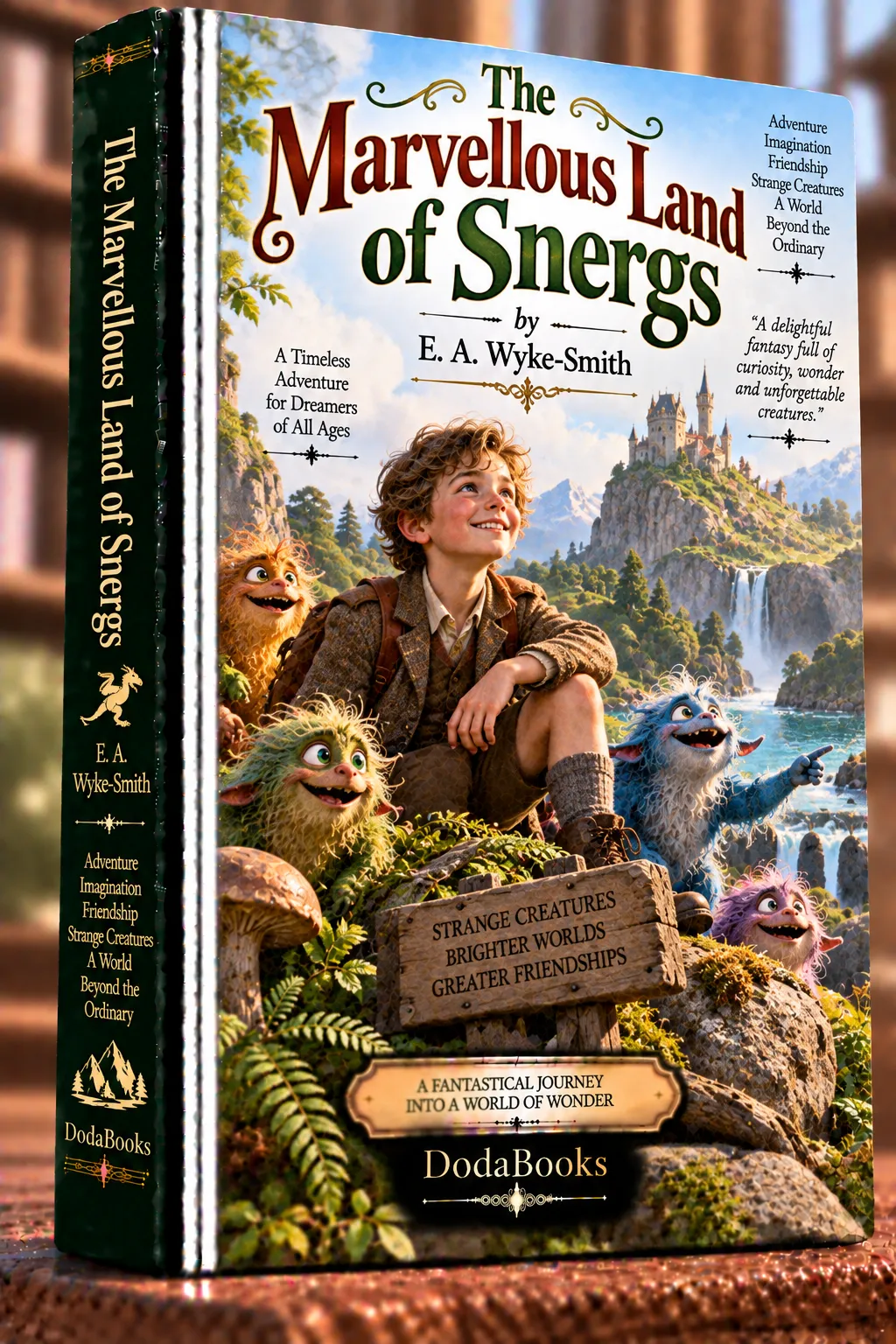
📖 Meet Gorbo and the Snergs in the Complete Classic
Rediscover the warmth, humor, and folklore magic of E. A. Wyke-Smith’s 1927 classic in the definitive digital edition from DodaBooks:
- 🍄 Complete Unabridged Text — The entire 20-chapter adventure restored from the 1927 first edition
- 💡 Exhaustive Character Footnotes & Folklore Glossaries — Unpacking ogres, swamp witches, and Snerg customs
- 📱 Designed for Family Reading — Clean typography and clear chapter breaks perfect for bedtime read-alouds
- 🔓 100% DRM-Free — Read on Kindle, Kobo, iPad, or Android with zero restrictions
👉 Get the Annotated Edition of The Marvellous Land of Snergs at DodaBooks →