The Black Pearl
Marie Lion’s 1911 Novel of Parisian Elegance, Outback Wilderness, and the Pearl Fisheries of the Antipodes
In the vibrant landscape of early twentieth-century colonial fiction, few books offer as delightful, unusual, and culturally perceptive a perspective as Marie Lion’s 1911 novel, The Black Pearl. While most Australian frontier novels of the Edwardian era were penned by rugged British settlers or local bush balladeers, Marie Lion brought something entirely unique to the red dust and eucalyptus groves of the Antipodes: the witty, refined, and ironic gaze of a cultivated Parisian woman.
Born and educated in France, Marie Lion traveled extensively before settling in Australia, where she became a prominent literary and cultural figure in Adelaide. In The Black Pearl, she dramatizes the collision of two completely disparate civilizations: the sophisticated, fashion-conscious world of Parisian salons and the raw, untamed frontier of Australian sheep stations and northwestern pearl-diving luggers.
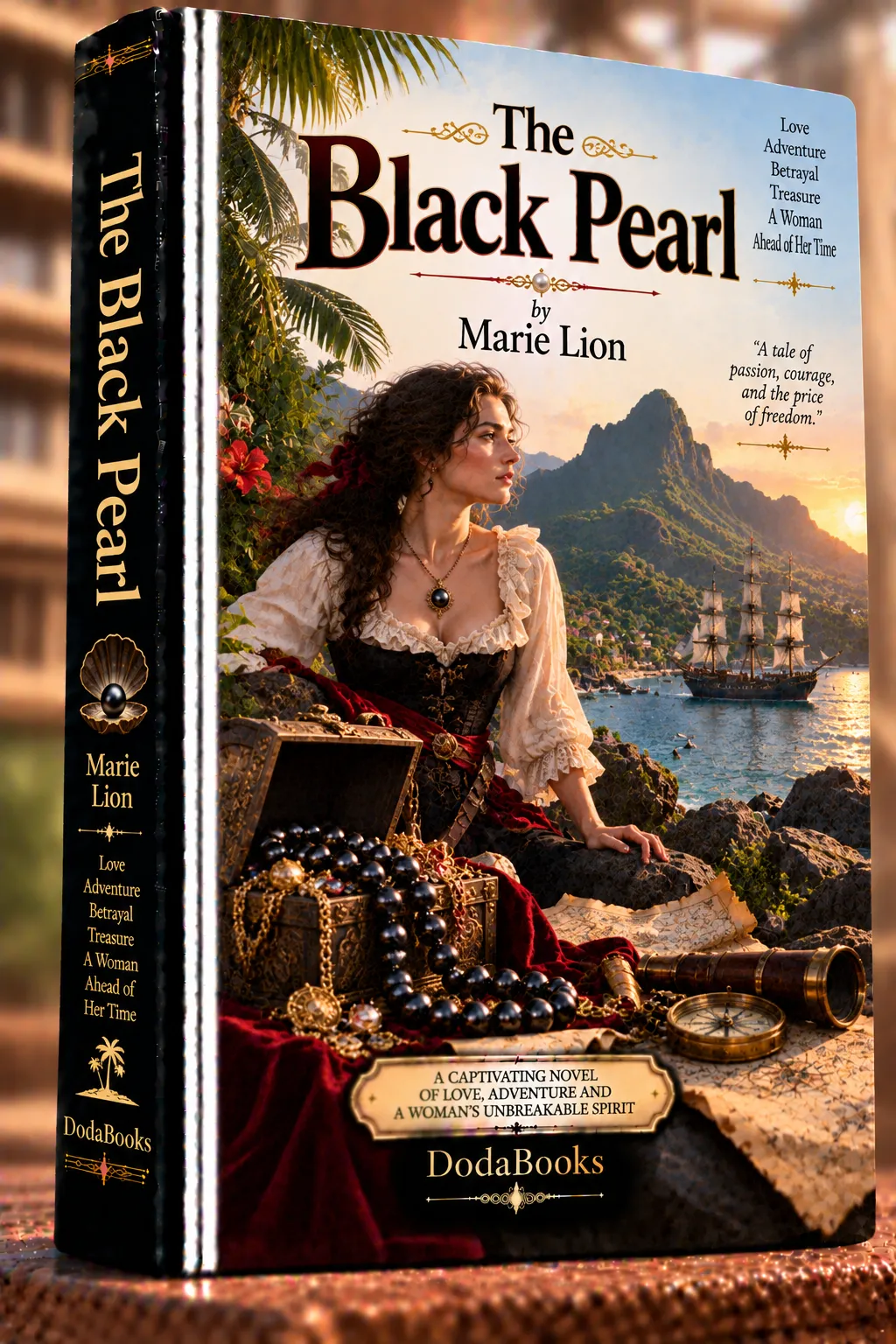
Journey from the Boulevards of Paris to the Australian Outback
Read Marie Lion's 1911 Australian romance with historical annotations detailing Edwardian pearl luggers in Broome, outback pastoral stations, and colonial migration.
Get The Black PearlA Parisian Heroine in the Land of Kangaroos
The novel opens with irresistible Gallic charm. Our heroine, a chic, spirited young Parisian woman named Jeanne, finds her comfortable world suddenly upended by family financial reverses. Packing her favorite French novels, delicate Parisian gowns, and trunks of hatboxes, she is shipped off across the oceans to join relatives in Australia.
Her preconceptions of the Antipodes are hilariously exaggerated: like many contemporary Europeans, she vaguely expects a wilderness where kangaroos hop down city streets, dangerous convicts lurk behind every tree, and cultured conversation is entirely non-existent.
Upon arriving in Melbourne and traveling inland toward a sprawling outback pastoral station, Jeanne experiences a profound sensory and emotional awakening. Instead of a savage wasteland, she encounters:
- The breathtaking, haunting majesty of the Australian bush at twilight, with its silver ghost gums, golden wattle, and brilliant star-strewn southern skies.
- The rough-and-ready hospitality and laconic humor of Australian station hands, boundary riders, and stockmen.
- A fiercely independent young station owner and pearling investor whose quiet strength and rugged integrity challenge all her Parisian assumptions about what makes a true gentleman.
Jeanne's Trans-Continental Odyssey:
[Chic Parisian Boulevards] ➔ [Long Sea Voyage to the Antipodes] ➔ [Outback Station Life & Red Dust] ➔ [The Mystery of the Black Pearl] ➔ [Deep Bush Belonging]
The Mystery of the Black Pearl and the Northwestern Fisheries
What transforms The Black Pearl from a charming romantic comedy of culture clash into a thrilling adventure is the mystery that gives the book its name. The plot shifts from the pastoral sheep stations of the south to the wild, tropical coast of northwestern Australia—the legendary pearling port of Broome on Roebuck Bay.
At the turn of the twentieth century, Broome was the pearling capital of the world, producing three-quarters of the globe’s mother-of-pearl shell. It was an exotic, polyglot frontier town where Japanese divers, Malay crewmen, Aboriginal pearl luggers, and European pearling masters mingled in volatile desert ports.
When a legendary, flawless black pearl—rumored to possess an extraordinary value and a mysterious history—is retrieved from the deep reefs of the Indian Ocean, it sparks a dangerous chain of greed, theft, and romantic rivalry. Jeanne finds herself at the center of the intrigue, forced to distinguish between slick, superficial flatterers and men of genuine loyalty when peril strikes in the wilderness.
Unique French-Australian Voice
A sparkling, witty narrative contrasting Parisian aesthetic sensibilities with the laconic, rugged realities of early Australian bush life.
The Pearl Divers of Broome
Fascinating historical depictions of early 20th-century pearl-diving luggers, dangerous deep-water diving helmets, and coastal trading.
Vivid Outback Flora and Fauna
Lyrical nature descriptions capturing the unique sensory beauty of the Australian continent: eucalyptus scents, cockatoos, and red earth.
Annotated Historical Context
Explanatory notes detailing Australian station slang, colonial transport, Aboriginal bush lore, and the early Commonwealth era.
Marie Lion and the Voice of Women in Colonial Literature
Marie Lion’s writing holds a significant place in the development of Australian female literature. In a genre dominated by hyper-masculine “bushman” mythology (popularized by writers like Banjo Paterson and Henry Lawson), Lion insisted on highlighting the emotional resilience and adaptability of women on the frontier.
Jeanne is not a passive damsel waiting to be rescued; she learns to ride astride through the scrub, confronts bushfires and dust storms with courage, and brings an uplifting warmth and culture to isolated station communities. Her ultimate love for Australia is not a surrender of her European identity, but an expansion of her soul, realizing that true elegance lies not in artificial salon etiquette, but in courage, honesty, and emotional authenticity.
To explore other rich portraits of spirited heroines navigating frontier landscapes and coming of age, explore our companions to L.M. Montgomery’s Anne of Green Gables Guide and Thomas Hardy’s romantic drama in A Pair of Blue Eyes Guide.
Experience the Magic of the Australian Outback
Read the definitive digital edition of The Black Pearl on DodaBooks. Featuring Australian colonial glossaries, historical pearling notes, and crisp digital typography.
Purchase The Black Pearl on DodaBooksWhy Read the DodaBooks Annotated Edition of The Black Pearl?
Because Lion’s novel blends Parisian cultural references with historical Australian station vernacular and pearling industry terms, modern readers greatly benefit from contextual commentary.
The DodaBooks Annotated Edition provides:
- Australian Pastoral & Bush Glossaries: Explaining terms like billy tea, station, boundary rider, damper, swag, and muster.
- Historical Guide to the Broome Pearling Industry: Detailing hard-hat diving techniques, lugger fleets, and the mother-of-pearl shell trade.
- Biographical Introduction to Marie Lion: Chronicling her life as a French educator, author, and cultural figure in Adelaide.
- Flawless Formatting Across All Devices: Clean chapter divisions, responsive line spacing, and legible typography optimized for Kindle, iPad, Kobo, and smartphones.
The Cultural Synthesis: France, England, and the Bush
What makes The Black Pearl an enduringly fascinating work of Commonwealth literature is Marie Lion’s nuanced portrait of cultural synthesis. In standard Australian colonial writing of the early 1900s, British imperial identity was treated as the sole civilized standard, while the vast Australian landscape was often depicted as an alien, hostile emptiness.
Marie Lion challenges this narrow binary by introducing an intellectual and aesthetic third element: the Latin, European sensibility of France. When Jeanne arrives in the outback, she does not attempt to impose rigid Victorian drawing-room etiquette upon the bush. Instead, her French appreciation for good food, sensory beauty, effortless humor, and emotional openness allows her to connect immediately with the genuine spirit of the Australian people.
Lion's Tripartite Cultural Framework:
[Rigid Victorian Etiquette] ➔ [The Raw Frontier Bush] ➔ [French Sensory Warmth & Aesthetic Harmony]
Lion demonstrates that true civilization is not a matter of white gloves, manicured lawns, or artificial titles; it is the ability to recognize human dignity in a sheep shearer, find beauty in red desert sands, and face the unknown with laughter and courage. In celebrating this cross-cultural harmony, The Black Pearl remains one of the freshest, most delightful romances of the Edwardian era.
Marie Lion’s The Black Pearl holds an unforgettable place in Australian colonial romance. By filtering the rugged frontier station life and Broome pearling fisheries through the sparkling, perceptive gaze of an intelligent Parisian heroine, it celebrates the power of courage, humor, and cross-cultural love.
For an authentic, firsthand pioneer romance of the great American westward migration, explore Ezra Meeker’s classic in Kate Mulhall Guide.
Frequently Asked Questions
Who was Marie Lion?
Marie Lion was a French-born Australian novelist and educator who lived in Adelaide, renowned for writing charming, perceptive novels that bridged French and Australian cultures in the early 20th century.
What is the significance of the pearling setting in the novel?
The novel features the pearling industry of northwestern Australia (particularly around Broome), which in 1911 was the global epicenter of mother-of-pearl shell and precious natural pearls.
How does The Black Pearl differ from typical Australian bush fiction?
While most period bush fiction was written from a gritty Anglo-Celtic perspective, Lion brings a refined, humorous, and sympathetic French perspective to the Australian landscape, highlighting female resilience and cultural fusion.
Is The Black Pearl a romance or an adventure novel?
It is both: on one level an engaging romantic comedy of manners between a Parisian lady and an Australian station owner, and on another an adventure mystery involving pearl theft and outback perils.
Where can I purchase and download the complete digital edition?
You can purchase and immediately download the DodaBooks annotated edition directly from DodaBooks for Kindle, Apple Books, and Android reading devices.