Success
Una L. Silberrad’s Brilliant 1912 Novel of Corporate Espionage, Chemical Patents, and the Price of Uncompromising Integrity
In the history of English literature, few novelists wrote with as much dry intellectual brilliance, independent spirit, and quiet psychological authority as Una Lucy Silberrad (1872–1955). At a time when popular Edwardian fiction was dominated by formulaic romantic melodrama or aristocratic drawing-room gossip, Silberrad dared to place the raw, unglamorous realities of industrial technology, laboratory science, and commercial engineering at the center of her art.
Published in 1912, Success is widely recognized by literary scholars as Silberrad’s masterpiece. A gripping, profoundly modern exploration of corporate corruption and creative genius, the novel asks a radical question that resonates even more powerfully in our modern era of tech monopolies and corporate patents: What constitutes true “success” in human life—accumulating corporate wealth and executive acclaim through moral compromise, or preserving the unyielding integrity of one’s intellect and soul?
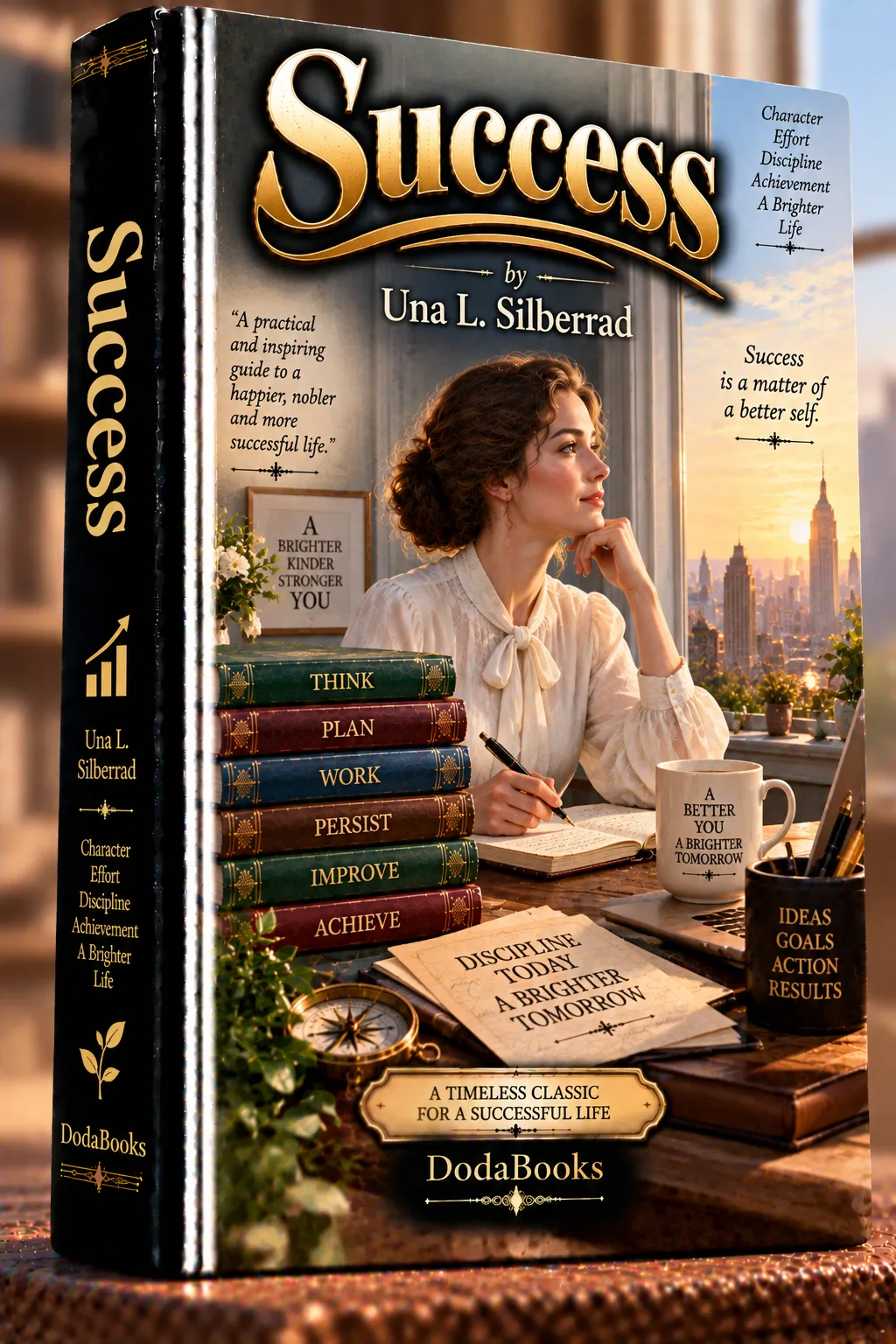
Step into the High-Stakes World of Industrial Chemistry
Read Una L. Silberrad's brilliant 1912 novel with annotations detailing early 20th-century chemical engineering, British patent law, and industrial espionage.
Get Success by Una L. SilberradThe Inventor: Michael Annarly and the Stolen Patent
The protagonist of Success is Michael Annarly, a man who defies all the sentimental clichés of romantic fiction. Poor, proud, socially awkward, and indifferent to polite small talk, Annarly is a working industrial chemist of absolute genius. Employed by a prominent engineering and chemical firm, he spends months in freezing laboratories laboring over a revolutionary synthetic compound that will transform industrial manufacturing.
Just as his discovery reaches commercial viability, disaster strikes. A smooth, well-connected colleague with high-society connections steals Annarly’s research notes, falsifies laboratory logbooks, and files the patent under his own name. When Annarly protests, the corporate board of directors—prioritizing social connections and shareholder optics over justice—dismisses him in disgrace, blacklisting him across the British chemical industry as an alleged fraud.
Stripped of his professional reputation and reduced to bitter poverty in a grimy North London boarding house, Annarly faces the ultimate spiritual test: will he abandon his passion for science, succumb to cynical despair, or find a way to reclaim his creative sovereignty on his own uncompromising terms?
Annarly's Path of Intellectual Integrity:
[The Breakthrough in the Laboratory] ➔ [Corporate Theft & Blacklisting] ➔ [Poverty in North London Lodgings] ➔ [Uncompromising Independent Invention] ➔ [True Spiritual Sovereignty]
The Unconventional Partnership: Annarly and Nan Bate
What makes Success an electrifying and unforgettable read is Silberrad’s refusal to follow the predictable conventions of Victorian romance. Annarly does not find salvation in an heiress who finances his laboratory, nor does he magically achieve instant triumph.
Instead, he encounters Nan Bate, an equally unconventional and fiercely independent young woman who earns her own living repairing broken antiques and bookbinding. Nan does not flatter Annarly’s pride or pity his misfortunes; she respects his intellect and challenges his self-pity.
Together, they forge an extraordinary partnership rooted in mutual intellectual respect, rigorous labor, and shared moral standards. When Annarly discovers a new chemical application that a predatory industrial trust desperately needs, he is offered a choice: accept a massive corporate payout and sign away his moral principles, or remain poor and preserve his total intellectual freedom.
Authentic Industrial Science
Silberrad understood chemical laboratories, industrial patents, testing retorts, and factory floor dynamics with astonishing technical accuracy.
Anatomy of Corporate Corruption
A piercing, prescient exposé of how corporate cartels steal intellectual property from independent inventors and manipulate legal patents.
Intellectual Romance
A refreshing departure from sentimental tropes, featuring a mature relationship based on mutual respect, craftsmanship, and honesty.
Annotated Industrial Context
Explanatory notes detailing Edwardian patent law, London industrial chemistry districts, and early corporate manufacturing trusts.
Una L. Silberrad: The Pioneer of Workplace Realism
Una L. Silberrad was decades ahead of her time. In an era when female novelists were expected to write exclusively about domestic courtship or nursery duties, Silberrad wrote with total mastery about engineering works, commercial shipping, municipal sanitation, and financial syndicates.
Literary critics of the 1910s were often stunned by the masculine authority and intellectual muscularity of her writing; several reviewers initially assumed that “Una Silberrad” must be the pseudonym of an experienced male civil engineer. Yet her ultimate theme is deeply humanistic: that a human being’s work is not merely a tool for earning money, but an expression of the divine spark of creative conscience.
To explore how other classic novels analyzed the clash between personal integrity, science, and corporate monopoly, read our companions to Ida M. Tarbell’s All in the Day’s Work Guide and H.G. Wells’ scientific social drama in Ann Veronica Guide.
Discover the Great Edwardian Novel of Science and Character
Read the definitive digital edition of Success on DodaBooks, complete with historical chemical notes, patent law glossaries, and crisp digital typography.
Purchase Success on DodaBooksWhy Read the DodaBooks Annotated Edition of Success?
Because Silberrad’s narrative incorporates authentic Edwardian chemical laboratory terminology and British patent litigation procedures, modern readers benefit enormously from contextual guidance.
The DodaBooks Annotated Edition provides:
- Glossary of Early 20th-Century Industrial Chemistry: Explaining retorts, synthetic compounds, crystallization processes, and coal-tar derivatives.
- Historical Companion to British Patent Laws: Detailing the 1907 Patents and Designs Act and intellectual property enforcement.
- Biographical Introduction to Una L. Silberrad: Chronicling the life and critical rediscovery of this groundbreaking Essex author.
- Flawless Formatting Across All Devices: Designed with clean margins, balanced typography, and comfortable line spacing optimized for Kindle, iPad, Kobo, and smartphones.
The Philosophy of the Independent Mind in Corporate Eras
At the heart of Una L. Silberrad’s Success lies an urgent philosophical inquiry into the survival of individual intellectual freedom in an increasingly collectivized industrial economy. As the twentieth century dawned, the heroic archetype of the lone inventor working in a small workshop was being ruthlessly replaced by corporate research departments, joint-stock monopolies, and bureaucratic patents.
Silberrad understood the existential threat this shift posed to the human spirit. In Michael Annarly, she creates an enduring portrait of the uncompromising creator who refuses to subordinate scientific truth to corporate public relations. Annarly’s refusal to compromise is not stubborn arrogance; it is a sacred reverence for the factual reality of nature. To Annarly, falsifying a laboratory test or allowing a patent thief to claim credit is an act of spiritual treason against truth itself.
Silberrad's Sociological Dynamic:
[The Pure Scientific Inquirer] vs. [The Corporate Boardroom Manipulator] ➔ [The Theft of Intellectual Property] ➔ [The Transcendence of True Success]
Furthermore, Silberrad’s depiction of Nan Bate elevates the novel into a timeless study of egalitarian partnership. Nan does not seek to domesticate Annarly or bend him to the superficial expectations of Edwardian suburban respectability. She recognizes that his scientific passion is the core of his being, offering him not sentimental distraction, but a shared workbench of intellectual equality, quiet companionship, and unyielding moral courage.
The lasting genius of Una L. Silberrad’s Success lies in its complete refusal to pander to conventional sentimental formulas. In Michael Annarly and Nan Bate, she created two of the most refreshingly honest, intellectually mature, and morally uncompromising characters in Edwardian fiction, making the novel an inspiring beacon for creators, inventors, and independent minds of every generation.
Furthermore, Silberrad’s examination of the economic mechanics of industrial research highlights how early 20th-century corporations systematically exploited legal ambiguity to suppress independent technological progress. In contrasting the hollow commercial prestige of London’s patent monopolists with Annarly’s pure dedication to the craft of chemical synthesis, Success delivers a timeless defense of the creative intellect against bureaucratic subjugation.
For a sparkling American counterpart featuring a Boston debutante who joins forces with an inventor to build a business, read Joan and Co. Guide.
Frequently Asked Questions
Who was Una L. Silberrad?
Una Lucy Silberrad (1872–1955) was an acclaimed English novelist known for writing intellectually rigorous novels that focused on science, commercial enterprise, independent women, and moral integrity.
What is the meaning of the title 'Success'?
The title is deeply ironic: it contrasts conventional worldly 'success' (wealth, corporate titles, high-society approval bought with moral compromise) with true spiritual success (intellectual independence, honest work, and self-respect).
Why is the depiction of chemistry in the novel historically important?
Published in 1912, the novel is one of the earliest mainstream works of English literature to accurately portray the professional life, technical vocabulary, and workplace pressures of an industrial research chemist.
How does the romance in Success differ from typical period novels?
Instead of sentimental melodrama, the relationship between Annarly and Nan Bate is grounded in mutual professional respect, intellectual equality, and shared practical craftsmanship without vanity.
Where can I download the complete annotated digital edition?
The complete digital edition is available directly from DodaBooks in EPUB and PDF formats for all modern e-reading devices.