Only a Girl's Love
Charles Garvice’s 1895 Masterpiece of Pastoral Passion, Aristocratic Intrigue, and the Triumph of Unshakable Devotion
In the late Victorian and Edwardian eras, one name stood unchallenged atop the international bestseller lists on both sides of the Atlantic: Charles Garvice (1850–1920). While academic critics debated the high-modernist experiments of Henry James and Thomas Hardy, millions of ordinary readers in London, New York, Melbourne, and Cape Town devoured the passionate, beautifully plotted romances of Charles Garvice. At the height of his career, Garvice was selling millions of books a year, earning the title of “the most widely read novelist in the British Empire.”
Published in 1895, Only a Girl’s Love is the quintessential embodiment of Garvice’s storytelling genius. A sweeping, emotional melodrama of pastoral beauty, dark aristocratic secrets, and enduring romantic fidelity, the novel demonstrates why Garvice held entire generations of readers spellbound.
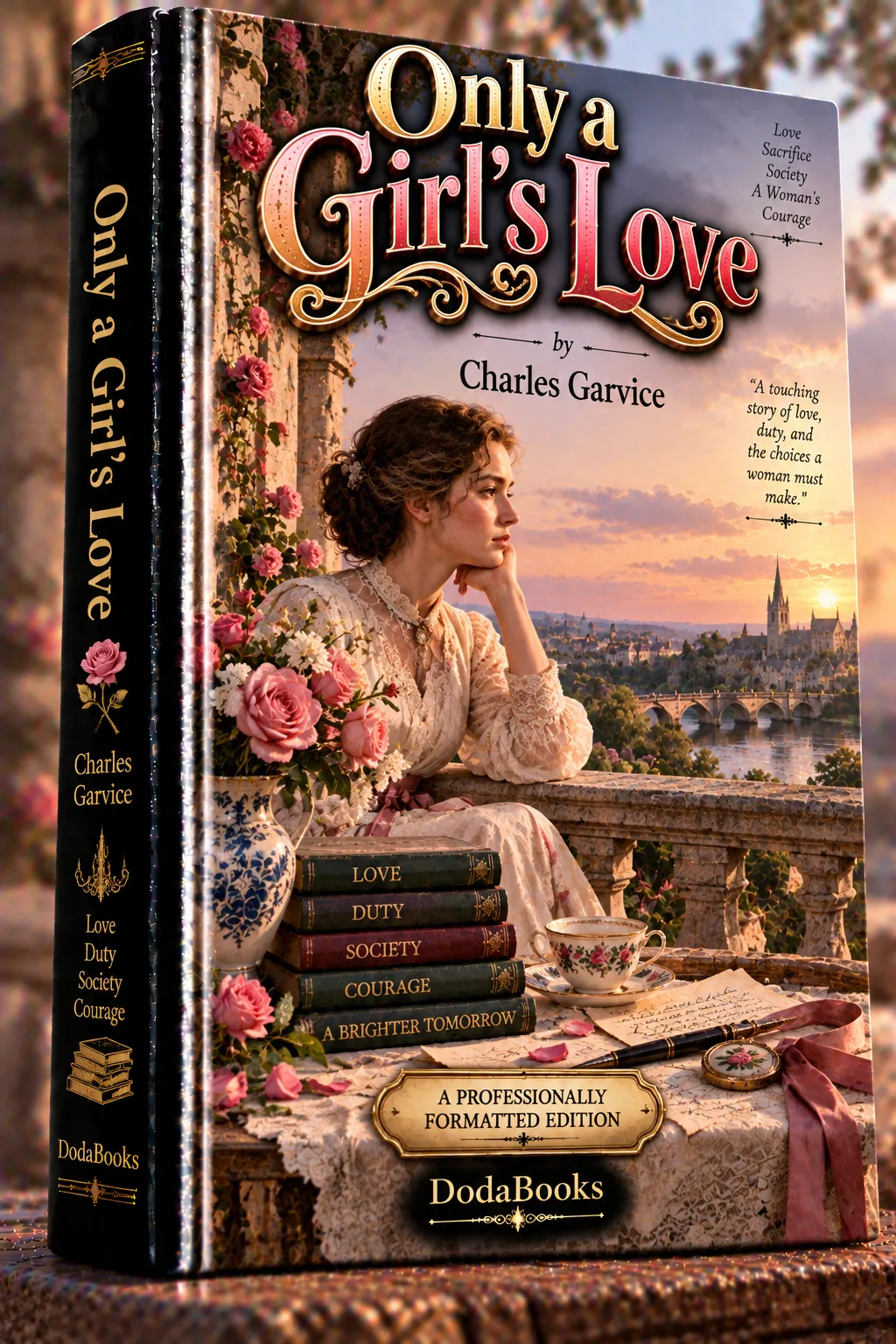
Experience the Great Bestseller of the Victorian Age
Read Charles Garvice's enchanting 1895 romance with historical annotations explaining late Victorian social hierarchies, country house traditions, and popular serialized fiction.
Get Only a Girl's LoveThe Meadow by the River: An Innocent Love Begins
The story opens with breathtaking pastoral lyricism on a golden summer evening in the English countryside. Where the peaceful river bends through green willow meadows, our heroine—the sweet, pure-hearted, and spirited country girl Bessie—encounters the handsome, aristocratic Lord Roland.
Roland, weary of the cynical flatteries and mercenary matches of London high society, finds in Bessie an oasis of genuine purity, unselfishness, and spiritual grace. What begins as a chance meeting blossoms into a deep, tender devotion that neither time nor obstacle can extinguish.
Yet between an impoverished country maiden and the heir to a grand historic earldom lies the insurmountable chasm of Victorian class prejudice. Roland’s imperious aristocratic family demands that he marry a wealthy, cold-hearted heiress to restore the debt-ridden family estates. When Roland courageously refuses to abandon Bessie, his enraged father disinherits him, casting him out into the world without a shilling.
The Arc of True Devotion:
[Pastoral Meadow Encounter] ➔ [Aristocratic Disinheritance & Exile] ➔ [Villainous Plots & False Accusations] ➔ [Endurance Through Poverty] ➔ [Triumphant Reunion]
The Machinery of Victorian Melodrama: Plots and Trials
What kept Garvice’s millions of readers turning pages late into the night was his unmatched mastery of narrative momentum and dramatic suspense. Garvice did not allow his lovers an easy path:
- A cunning, scheming rival—determined to secure the earldom for herself—manufactures forged letters and false rumors to convince Bessie that Roland has betrayed her.
- Roland journeys to distant colonial frontiers to earn an honest fortune through labor, facing fever, shipwreck, and physical peril.
- Bessie, left alone to care for her ailing father, faces poverty with quiet nobility, rejecting the wealthy offers of corrupt suitors who seek to purchase her hand.
Through every trial, the core truth of the novel remains steadfast: that only a girl’s love—pure, uncalculating, and unconditional—possesses the spiritual power to see through falsehood, conquer pride, and bring the wanderer safely home.
Masterclass in Emotional Pacing
Experience the storytelling magic that made Charles Garvice the most widely read popular novelist in the late Victorian world.
Pastoral English Beauty
Lyrical nature descriptions capturing the golden summer lanes, thatched cottages, and fragrant meadows of the traditional English shires.
Aristocratic Social Drama
Sharp, authentic depictions of Victorian class boundaries, ballroom etiquette, family entails, and disinheritance laws.
Annotated Victorian Context
Footnotes explaining 19th-century inheritance statutes, currency values (guineas and sovereigns), and popular serial publishing history.
The Cultural Phenomenon of Charles Garvice
To read Charles Garvice today is to rediscover the beating heart of Victorian popular culture. Garvice was the literary counterpart to the great Victorian theatrical melodramas: he believed unapologetically in virtue, honor, poetic justice, and the transformative power of love.
While cynical critics dismissed his plots as romantic escapism, working-class and middle-class readers found in Garvice’s pages a comforting sanctuary from the grim realities of industrial factories and crowded city slums. His books affirmed that human worth was determined not by royal titles or ancestral gold, but by the loyalty and kindness of the human heart.
To explore how classic romance developed across different Victorian styles, explore our guides to Jane Austen’s timeless comedy in Pride and Prejudice Guide and Thomas Hardy’s tragic romantic drama in A Pair of Blue Eyes Guide.
Rediscover the Bestselling Magic of Charles Garvice
Read the definitive digital edition of Only a Girl's Love on DodaBooks, complete with historical estate glossaries, author biographies, and crisp digital typography.
Purchase Only a Girl's Love on DodaBooksWhy Read the DodaBooks Annotated Edition of Only a Girl’s Love?
Because Garvice assumes familiarity with late 19th-century British aristocratic titles, legal entails, and rural tenant customs, modern readers greatly benefit from historical commentary.
The DodaBooks Annotated Edition provides:
- Guide to Victorian Inheritance & Entails: Explaining how aristocratic titles, estate settlements, and disinheritances legally functioned.
- Glossary of Rural English Dialect & Domestic Terms: Defining period colloquialisms and rural country expressions.
- Biographical Retrospective of Charles Garvice: Chronicling his rise from London journalist to global publishing phenomenon.
- Flawless Formatting Across All Devices: Pristine chapter divisions, clear dialogue formatting, and legible typography optimized for Kindle, iPad, Kobo, and smartphones.
The Sociology of Late Victorian Serialized Romance
To understand why Charles Garvice commanded such immense devotion from millions of readers worldwide, one must appreciate the sociological function of serialized romantic fiction in the late Victorian era. As universal literacy spread following the Education Acts of the 1870s and 1880s, an enormous new reading public emerged—shop assistants, domestic servants, factory workers, and suburban clerks—who possessed the ability to read but were alienated by the cynical irony and academic dryness of high-literary fiction.
Garvice wrote directly for this audience with profound emotional sincerity. In Only a Girl’s Love, he provided a narrative structure that validated the emotional lives and moral dignity of ordinary people. By showing an innocent country girl triumphing over the cold cynicism and corrupt power of an aristocratic family, Garvice offered an egalitarian moral fantasy: the assertion that love, integrity, and spiritual purity are infinitely superior to inherited wealth or social status.
Garvice's Popular Moral Architecture:
[Innocent Moral Worth / Bessie] vs. [Corrupt Aristocratic Vanity] ➔ [The Crucible of Trial & Separation] ➔ [Poetic Justice & Spiritual Triumph]
His prose, rich with sensory descriptions of nature and dramatic confrontations, acted as an emotional sanctuary for millions of working people, affirming that their deepest hopes for love, loyalty, and justice were shared by a wider world.
Charles Garvice’s Only a Girl’s Love endures as a triumph of popular Victorian storytelling. With its enchanting pastoral settings, dramatic aristocratic tensions, and unwavering faith in the power of pure love to conquer pride and adversity, it demonstrates why Garvice captured the hearts of millions of readers around the globe.
Beyond its dramatic plot turns, Only a Girl’s Love remains an invaluable window into the psychological desires of late Victorian Britain. Garvice understood that true romance is never merely about wealth or titles; it is about the courage to remain true to one’s moral convictions when the entire world demands surrender. His lyrical depiction of the English shires and the steadfast fidelity of his young heroine continue to resonate with lovers of classic storytelling.
By championing the moral resilience of the humble country girl against the calculating cynicism of aristocratic society, Garvice affirmed the dignity of everyday emotional life. His vivid prose and memorable characters ensure that Only a Girl’s Love remains a quintessential masterclass in the enduring appeal of traditional romantic storytelling.
Frequently Asked Questions
Who was Charles Garvice and how popular was he?
Charles Garvice (1850–1920) was one of the most prolific and phenomenally popular English novelists of all time, selling millions of copies annually and topping international bestseller lists across Britain, the United States, and Australia.
What is the primary theme of Only a Girl's Love?
The primary theme is the enduring, unconditional power of true love to triumph over rigid class boundaries, family disinheritance, slanderous deception, and material poverty.
How does Garvice's writing compare to high-Victorian authors like George Eliot?
While George Eliot wrote dense, philosophical social realism for intellectual circles, Garvice wrote accessible, emotionally compelling, and plot-driven melodramas designed to entertain and comfort millions of popular readers.
Is Only a Girl's Love suitable for readers who enjoy vintage romance?
Yes. Fans of classic historical romance, gothic melodrama, and traditional romantic drama will be captivated by Garvice's lyrical prose and thrilling narrative pace.
Where can I purchase and download the annotated digital edition?
The complete digital edition is available directly from DodaBooks in EPUB and PDF formats for all modern e-reading devices.