If you are planning to read Bram Stoker’s Dracula for the first time, you might be asking: Is Dracula hard to read?
Compared to older 18th- and early 19th-century classics like Mary Shelley’s Frankenstein (1818) or Horace Walpole’s The Castle of Otranto (1764), Dracula (published in 1897) is surprisingly fast-paced, cinematic, and modern. Stoker was an experienced theatrical manager and journalist who wrote with dramatic urgency, filling the novel with suspenseful cliffhangers, action sequences, and psychological dread.
However, Dracula is not without its challenges. Its late-Victorian sentence structure, 160,000-word length, multi-perspective epistolary format, and archaic 1890s legal and medical vocabulary can present significant friction for modern readers. Here is an honest, objective breakdown of the reading difficulty of Dracula, how long it takes to finish, and practical tips to ensure you love every chapter.
| Difficulty Metric | Rating & Details |
|---|---|
| Overall Difficulty | Moderate (3 / 5) — Much easier than Moby-Dick or Jane Eyre, but denser than modern thrillers |
| Reading Level (Lexile) | ~980L–1060L (High school / adult level) |
| Total Length | ~160,000 words |
| Chapter Count | 27 chapters across 4 main dramatic movements |
| Average Chapter Length | ~5,500–6,000 words (approx. 20–25 minutes per chapter) |
| Average Reading Time | 10 to 14 hours total reading time |
| Main Obstacles | Epistolary jumps, Victorian sentimental dialogue, obsolete nautical/legal jargon |
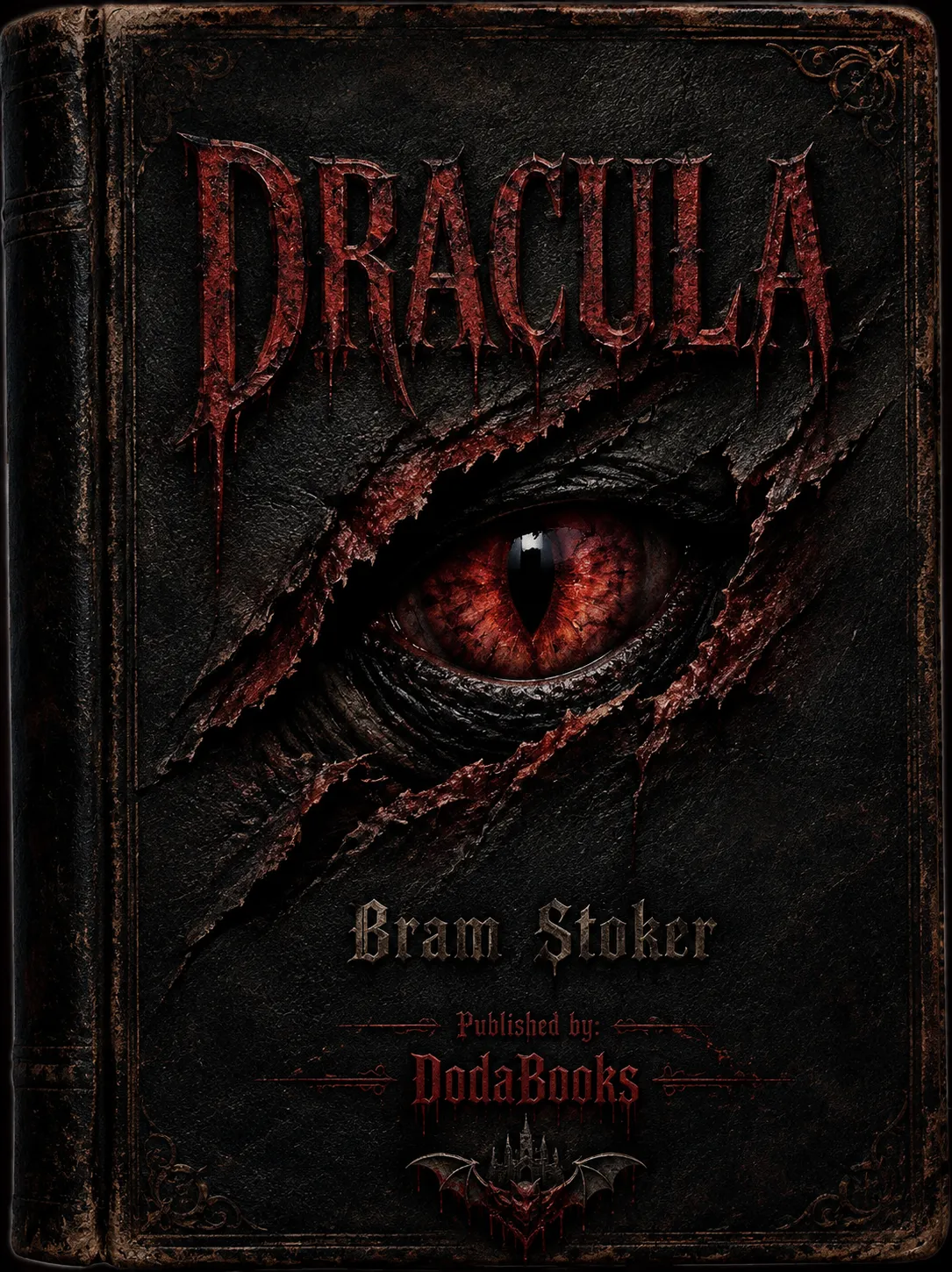
🦇
Is Dracula Hard to Read? The Complete Reading Guide
Discover what makes Bram Stoker's 1897 gothic masterpiece challenging—and how an annotated edition turns archaic friction into pure suspense.
⚖️ Why Dracula Is Easier Than Most Victorian Classics
Many readers assume all 19th-century Victorian novels are filled with dense, fifty-word philosophical sentences and endless descriptions of wallpaper. Dracula breaks that stereotype for three key reasons:
- A Journalistic, Pacey Style: Stoker wrote Dracula during the golden age of Victorian mass journalism. The prose is direct, urgent, and focused on documenting empirical facts: dates, times, train connections, and eyewitness accounts.
- Page-Turning Horror & Suspense: The opening four chapters—Jonathan Harker’s imprisonment in Castle Dracula—read like an edge-of-your-seat psychological thriller. The tension builds continuously from Harker discovering he is locked in, to seeing Dracula crawl down castle walls, to the attack of the three vampire sisters.
- No Heavy Foreign Language Requirement: While older classics pepper their prose with untranslated French or Latin phrases without explanation, Stoker keeps foreign words minimal and contextualizes Romanian regional terms clearly.
🛑 The 4 Hardest Elements of Reading Dracula (And How to Handle Them)
1. The Epistolary Format (Fragmented Perspectives)
Unlike novels told by a single, steady narrator, Dracula contains zero third-person narration. The entire book is constructed from:
- Jonathan Harker’s shorthand journal
- Mina Murray’s diary entries
- Dr. John Seward’s phonograph audio recordings
- Letters between Lucy Westenra and Mina
- Telegrams from Van Helsing
- The logbook of the doomed ship Demeter
- Clippings from the Dailygraph newspaper
How to handle it: Treat the novel like a detective cold-case file. Remember that no single character has the full picture of what is happening until Chapter 17, when Mina compiles all the documents together. Pay close attention to the dates at the heading of each entry to maintain chronological order.
2. The Slow Middle Section (Chapters 9–14)
Almost every first-time reader hits a pacing wall around Chapter 9. After the breathless terror of Castle Dracula in Chapters 1–4 and the dramatic shipwreck of the Demeter in Whitby in Chapter 7, the action slows down in London:
- Lucy Westenra gets sick, recovers, relapses, and undergoes four successive blood transfusions.
- Dr. Seward records repetitive clinical notes about Lucy’s pale gums and failing pulse.
- Readers eager for vampire action can become impatient with the characters’ stubborn refusal to realize a vampire is draining Lucy’s blood.
How to handle it: Understand the historical context! In 1897, educated Victorian gentlemen did not believe in vampires. Van Helsing has to systematically eliminate every scientific and biological explanation before his rational colleagues will accept the supernatural reality. View this section as a psychological battle between Victorian medical science and ancient folklore.
3. Victorian Melodrama and Sentimentality
When the characters aren’t hunting monsters, their spoken dialogue reflects the flowery, polite conventions of late-Victorian sentimentality:
- Men frequently weep openly with devotion, declaring chivalric oaths to protect womanhood.
- Arthur and Quincey profess eternal brotherhood in elevated romantic language that can feel stiff or exaggerated to modern ears.
How to handle it: Recognize that Stoker was managing London’s famous Lyceum Theatre alongside stage legend Sir Henry Irving. Stoker’s dialogue is deliberately theatrical and operatic, meant to emphasize the moral nobility of the Crew of Light against Dracula’s demonic cynicism.
4. Obsolete 1890s Terminology
Throughout the novel, characters casually use vocabulary and references that have vanished from modern English:
- “Bradshaw” (the universal British railway timetable guide)
- “Phonograph” (Thomas Edison’s early wax-cylinder sound recording device)
- “Conveyance” and “Escheat” (feudal English real estate law)
- “Hussar” and “Szgany” (Hungarian cavalrymen and Slovak Romani travelers)
- “Cachou” (licorice breath lozenges used in the 1890s)
How to handle it: This is precisely where an annotated edition shines. Rather than stopping every two pages to search historical dictionaries on your phone, an annotated edition provides instant inline definitions so your momentum never stalls.
⏱️ How Long Does It Take to Read Dracula?
At an average adult reading speed of 250 words per minute, Dracula requires approximately 11 to 13 hours of total reading time:
+-------------------------------------------------------------+
|               RECOMMENDED 14-DAY DRACULA READING PLAN       |
+-------------------------------------------------------------+
| DAY 1: Chapters 1–2 (Arrival at Castle Dracula)             |
| DAY 2: Chapters 3–4 (The 3 Sisters & Harker's Escape)       |
| DAY 3: Chapters 5–6 (Letters in England, Renfield introduced)|
| DAY 4: Chapters 7–8 (The Ghost Ship Demeter & Whitby Storm) |
| DAY 5: Chapters 9–10 (Lucy's Illness & First Transfusion)   |
| DAY 6: Chapters 11–12 (The Escaped Wolf & Lucy's Relapse)   |
| DAY 7: Chapters 13–14 (Lucy's Death & The 'Bloofer Lady')   |
| DAY 8: Chapters 15–16 (The Crypt Showdown & Staking Lucy)   |
| DAY 9: Chapters 17–18 (Mina Compiles the Dossier)           |
| DAY 10: Chapters 19–20 (Infiltrating Carfax Chapel)         |
| DAY 11: Chapters 21–22 (Dracula Attacks Mina in the Night)  |
| DAY 12: Chapters 23–24 (Sterilizing the Earth-Boxes)        |
| DAY 13: Chapters 25–26 (Hypnotizing Mina & The River Pursuit)|
| DAY 14: Chapter 27 (The Final Battle in the Carpathian Snow) |
+-------------------------------------------------------------+
By reading just two chapters per day (about 40–50 minutes), you will finish the entire novel in exactly two weeks without feeling overwhelmed.
🧛 Dracula vs. Modern Vampire Fiction: What Surprises Modern Readers
If your knowledge of vampires comes primarily from modern pop culture—such as Anne Rice’s The Vampire Chronicles, Stephenie Meyer’s Twilight, or TV series like The Vampire Diaries—Bram Stoker’s original 1897 novel will defy almost every expectation. Knowing these key differences beforehand will prevent disorientation and enhance your reading enjoyment:
- Dracula is an Unmitigated Monster, Not a Brooding Antihero: Modern vampires are frequently romanticized figures tortured by their immortality or seeking redemption. Stoker’s Count exhibits none of this. He is cold, predatory, cruel, and thoroughly evil—an aristocratic parasite driven strictly by conquest and bloodlust.
- Dracula Barely Appears in Dialogue After Chapter 4: While Dracula dominates Jonathan Harker’s terrifying conversations at the castle in the opening chapters, he speaks only a handful of words for the remainder of the novel. Instead, his presence is felt indirectly through hypnotic trances, sudden violent squalls, missing patients, and animal transformations.
- The Protagonists Win Through Teamwork and Modern Science: Many gothic novels feature lone detectives or magical heroes. In Dracula, victory requires an interdisciplinary alliance combining cutting-edge medicine (blood transfusions), cutting-edge communications (phonographs, shorthand, telegrams), legal expertise, and deep religious devotion.
- The Pacing is a Slow-Burn Horror, Not an Action Thriller: Rather than continuous monster clashes, the book functions as a detective mystery where the characters slowly assemble puzzle pieces that the reader already understands. Embracing the mounting tension makes the climax exponentially more rewarding.
💡 Top 5 Tips for First-Time Dracula Readers
- Read in the Dark or Evening: Dracula is a nocturnal book. Reading by lamp or in the quiet hours of the evening heightens the novel’s sensory atmosphere.
- Don’t Expect the Movies: Forget Gary Oldman’s tragic romance or Bela Lugosi’s opera cape. The book is much darker, more violent, and features Dracula as a ruthless, calculating warlord.
- Pay Attention to Mina: Notice how Mina Harker gradually takes over the operational leadership of the group through her intelligence, empathy, and technological savvy.
- Embrace the Victorian Technology: Notice how modern the book felt in 1897—telegraphs, typewriters, Kodak cameras, and high-speed trains were the cutting-edge tech of the era.
- Use an Annotated Edition: Having margin notes explaining Transylvanian geography, Victorian gender expectations, and Romanian vampire lore turns a good reading experience into an unforgettable masterpiece.
Overcome the Victorian hurdles and enjoy the suspense. Read Dracula with full chapter notes, historical timelines, and vocabulary glossaries.
Get the Annotated Edition at DodaBooksFrequently Asked Questions
Is Dracula harder to read than Frankenstein?
No. Frankenstein is written in an earlier Romantic, philosophical style with long rhetorical monologues. Dracula is written in late-Victorian journalistic prose with letters and diaries, making it much more direct, suspenseful, and faster-paced.
At what age or grade level is Dracula typically read?
Dracula is generally recommended for high school students (grades 9–12, ages 14+) and adults. The vocabulary and themes of sexual violence and vampirism are best appreciated by mature readers.
How many chapters are in Dracula?
There are exactly 27 chapters in Dracula. The first 4 chapters take place in Transylvania, chapters 5 through 21 take place in England, and chapters 22 through 27 cover the chase across Europe back to Transylvania.
Why does Dracula take so long to appear in London?
Stoker uses a technique of delayed presence. Although Dracula arrives in England in Chapter 7, he primarily operates through shadows, hypnosis, mist, and animal forms. This psychological technique builds dread by keeping the monster unseen.
Is Dracula scary to read today?
Yes. While modern readers are familiar with vampire clichés, Stoker's original descriptions—Dracula crawling down stone battlements like a lizard, the seduction by the three vampire sisters, and the tragic desecration of Lucy Westenra—remain genuinely unsettling and atmospheric.
Read Dracula Without the Struggle
- Complete text enriched with inline definitions for all 1890s vocabulary
- Chapter-by-chapter summaries and chronological timelines of the epistolary entries
- Instant digital download for your Kindle, iPad, Kobo, or computer