Children of the Whirlwind: Leroy Scott’s Anatomy of Crime and Grace
Before modern hardboiled noir crystallized in pulp magazines, Leroy Scott published *Children of the Whirlwind* (1921)—a sophisticated, psychologically acute crime masterpiece examining an ex-convict’s fight for moral rebirth against corrupt police and ruthless underworld syndicates.
The early 1920s in the United States marked a watershed in American crime fiction. As Prohibition commenced and the glittering facades of Jazz Age Manhattan masked explosive syndicates of organized crime, novelists began shedding Victorian moralizing to examine the systemic social machinery of criminality. Children of the Whirlwind (1921) by investigative journalist and novelist Leroy Scott (1875–1929) represents one of the most compelling bridges between early social realism and classic urban noir.
The novel centers upon Larry Rowland, a refined, intellectually brilliant young man released from Sing Sing prison after serving three grueling years for a jewel heist he was framed for committing. Vowing never to return to crime, Larry emerges into the bustling canyons of Manhattan determined to go straight. However, he quickly realizes that society does not forgive an ex-convict, while the criminal brotherhood led by master fence and underworld kingpin Joe Ellison refuses to let him walk away. Readers exploring our distinguished collection of American mystery fiction will discover in Scott’s work an electrifying, morally complex exploration of human agency.
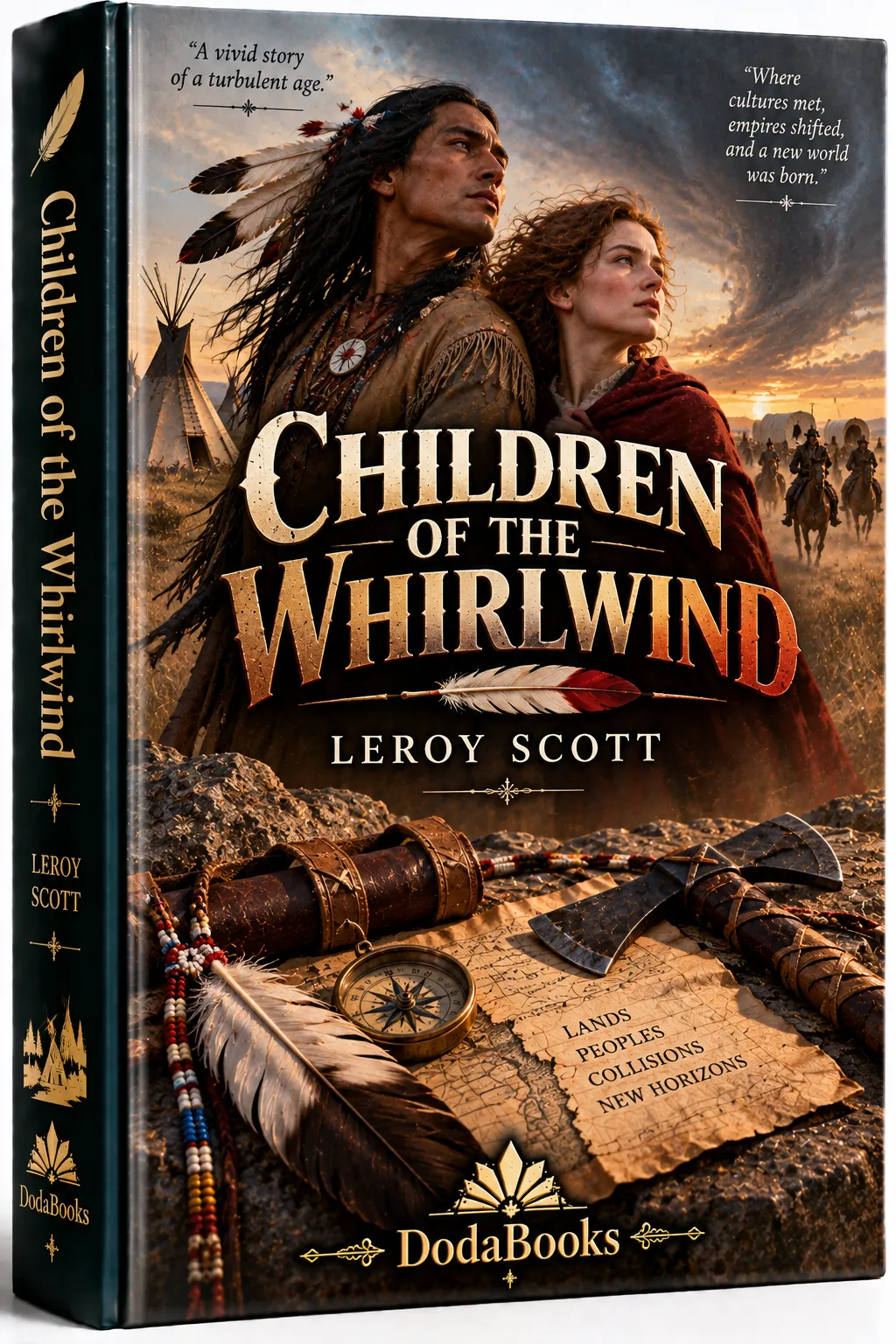
Read the Definitive Annotated Edition
Experience Leroy Scott's thrilling 1920s underworld classic with extensive historical commentary on Prohibition-era New York, prison reform movements, and Bowery argot.
Get the Annotated eBookPlot Breakdown: The Shadow of Sing Sing Over Broadway
Fresh from the gray granite walls of Sing Sing, Larry Rowland arrives in New York with empty pockets and an iron resolve. He is immediately confronted by two hostile forces determined to crush his bid for rehabilitation:
- The Cynical Law: Detective Casey and the New York Police Department believe that once a criminal, always a criminal. They hound Larry’s footsteps, threatening prospective employers and making honest labor virtually impossible.
- The Criminal Syndicate: Joe Ellison, the patriarchal kingpin of the Manhattan underworld, views Larry as the premier “brain worker” of the trade—an aristocrat of crime whose smooth manners and sharp wits can orchestrate multimillion-dollar bond thefts that brute thugs cannot touch.
                    THE MORAL CRUCIBLE OF LARRY ROWLAND

       POLICE SYSTEM (Persecution)              UNDERWORLD (Temptation)
    ┌──────────────────────────────┐         ┌──────────────────────────────┐
    │ Detective Casey & NYPD       │         │ Joe Ellison (Master Fence)   │
    │ "Once a crook, always crook" │ ◄─────► │ Maggie Ellison & Barney Palmer│
    │ Hound jobs & harass parole   │         │ Millions in easy bond heists │
    └──────────────┬───────────────┘         └──────────────┬───────────────┘
                   │                                        │
                   ▼                                        ▼
        LARRY ROWLAND'S RESOLVE ──► Underworld War, Double-Crosses,
         Refusal to Surrender       & The Sacred Reclamation of Character
Complicating Larry’s struggle is Maggie Ellison, Joe Ellison’s fiercely beautiful, streetwise daughter. Reared in the heart of criminal luxury, Maggie initially despises Larry’s desire for respectability, viewing it as cowardice. Yet as Larry endures starvation, framing, and betrayal rather than break his oath, Maggie’s cynicism begins to crumble. When a treacherous lieutenant named Barney Palmer orchestrates a vicious coup within the syndicate, Larry must risk his newly won freedom to save Ellison’s daughter from ruin, pitting his razor-sharp intellect against both the police and the underworld.
The Cast of Characters: Grifters, Detectives, and Reformers
Leroy Scott brought to the novel a journalist’s forensic ear for slang, criminal tradecraft, and human vulnerability:
- Larry Rowland: The protagonist. Educated, charming, and possessed of formidable nerve. Unlike traditional roughhouse gangsters, Larry is a psychological strategist whose greatest battle is not with rivals, but with his own lingering cynicism about human goodness.
- Maggie Ellison: One of the most fascinating heroines of early American crime fiction. Proud, sharp-tongued, and fiercely loyal to her father, Maggie personifies the “child of the whirlwind”—a product of an immoral environment who discovers an instinctive moral compass when confronted with authentic nobility.
- Joe Ellison: The underworld patriarch. An aging, aristocratic fence who operates with a code of ancient criminal honor. While merciless toward informers, Ellison’s tragic vulnerability is his passionate love for his daughter, whom he desperately wants to protect from the squalor of the streets.
- Barney Palmer: The quintessential treacherous grifter. Sleek, ambitious, and utterly lacking in Ellison’s code of honor, Palmer represents the new, predatory breed of modern gangster who would dominate the Prohibition era.
- Detective Casey: The embodiment of institutional police cynicism, whose dogmatic conviction that criminals cannot be reformed illustrates the systemic traps awaiting released prisoners.
Major Themes: Systemic Injustice and the Mechanics of Redemption
1. The Social Traps of the Ex-Convict
Scott was a passionate advocate for progressive social reform. In Children of the Whirlwind, he delivers a devastating critique of the American penal and parole system. Through Larry’s desperate, heartbreaking attempts to secure honest employment—only to be discharged the moment detectives whisper his Sing Sing past to employers—the novel demonstrates how society actively drives released offenders back into the arms of organized crime.
2. “Sowing the Wind and Reaping the Whirlwind”
The biblical proverb that gives the novel its title—“For they have sown the wind, and they shall reap the whirlwind” (Hosea 8:7)—underpins the moral trajectory of every major character. Joe Ellison built a criminal empire to shelter his child, only to discover that the whirlwind of underworld violence inevitably sweeps up the innocent. Scott explores the tragic law of unintended moral consequences with gripping dramatic intensity.
                      THE ANATOMY OF MORAL REHABILITATION

          The Stigma of the Past                The Crucible of Character
     ┌───────────────────────────────┐   ┌───────────────────────────────┐
     │ Sing Sing Prison Record       │   │ Refusal to Steal Under Pressure│
     │ Police Surveillance & Blacklist│   │ Loyalty to Allies in Peril    │
     │ Easy Millions from Ellison    │   │ Willingness to Suffer for Good│
     └───────────────────────────────┘   └───────────────────────────────┘
                     ▲                                   ▲
                     └─────────────────┬─────────────────┘
                                       ▼
                         The Ultimate Victory of Grace:
                       Rowland's Clean Name Reclaimed
3. Underworld High Finance vs. Wall Street Speculation
Writing on the eve of the Roaring Twenties, Scott draws provocative parallels between the paper thefts of bond grifters and the predatory speculations of Wall Street financiers. Joe Ellison’s syndicates do not rob corner grocery stores; they manipulate stolen negotiable bonds, forge bank drafts, and exploit the greed of respectable society figures, exposing a culture where the boundary between legal enterprise and criminal extraction is razor-thin.
Comparative Literary Context
To contextualize Leroy Scott’s crime masterpiece within the broader landscape of mystery, Victorian drama, and psychological literature, consider these parallels:
| Novel & Author | Setting | Genre | Central Conflict |
|---|---|---|---|
| Children of the Whirlwind (Leroy Scott) | 1920s New York City | Underworld Mystery & Noir | Ex-convict redemption vs. syndicate entrapment |
| Desperate Remedies (Thomas Hardy) | Victorian Wessex (1871) | Sensation Mystery & Realism | Secret murder, blackmail vs. romantic devotion |
| Love-at-Arms (Rafael Sabatini) | Renaissance Italy (1500) | Swashbuckling Adventure | Mercenary honor vs. Cesare Borgia’s treachery |
| The Letters of Franklin K. Lane (Franklin K. Lane) | Washington D.C. (1913–1921) | Progressive Era Epistolary | Democratic statesmanship vs. corporate greed |
While British masterworks like Thomas Hardy’s Desperate Remedies explored Victorian sensation tropes—blackmail, false identities, and sinister inheritances—in misty English villages, Leroy Scott brought that same labyrinthine plotting into the roaring avenues, speakeasies, and pawnshops of Manhattan. And just as Rafael Sabatini’s condottieri in Love-at-Arms lived by a code of arms amidst Renaissance treachery, Scott’s underworld figures adhere to their own unwritten codes of loyalty.
Dive into Jazz Age Underworld Noir
Read Leroy Scott's gripping classic of Manhattan crime and moral redemption in this definitive annotated edition, featuring explanatory notes on 1920s Bowery slang and underworld history.
Read The Annotated EditionWhy Children of the Whirlwind Remains an Enduring Classic
Leroy Scott was a pioneer who anticipated the Golden Age of hardboiled fiction developed by Dashiell Hammett and Raymond Chandler, while preserving the emotional depth and moral resonance of classic American literature. His pacing is relentless, his dialogue crackles with authentic urban vitality, and his characterizations avoid easy caricatures.
Children of the Whirlwind is an inspiring celebration of the human capacity for change. In an era when cynics insist that individuals are irrevocably trapped by their pasts or environments, Larry Rowland’s stubborn, heroic struggle to live with honor offers an unforgettable affirmation of human dignity and redemption.
Frequently Asked Questions
Who was Leroy Scott and what was his literary background?
Leroy Scott (1875–1929) was an American journalist, social investigator, and novelist born in Indiana. Before turning to popular mystery and crime fiction, he worked as a settlement worker in New York's Lower East Side and published serious sociological exposés on labor rights and tenement conditions, which provided the authentic, gritty background for his underworld novels.
What does the title "Children of the Whirlwind" mean?
The title derives from the biblical verse in Hosea: 'For they have sown the wind, and they shall reap the whirlwind.' In the novel, it refers to young people like Larry Rowland and Maggie Ellison, who were born or drawn into criminal environments through no initial fault of their own, and who must navigate the destructive tempest of crime to claim an honest future.
How does the novel portray the New York criminal underworld?
Unlike simplistic pulp stories featuring cartoonish thugs, Scott depicts a highly organized, hierarchical underworld in 1920s Manhattan. He illustrates how master fences, pickpockets, forged bond runners, and corrupt police liaisons operate with intricate specialization, functioning almost like a shadow corporate enterprise beneath the legitimate city.
Was Children of the Whirlwind adapted for the screen?
Yes. Due to its cinematic pacing and vivid characters, the novel was adapted into a major silent crime film titled 'Children of the Whirlwind' in 1925, starring Lionel Barrymore and Marguerite De La Motte, which enjoyed tremendous critical and commercial success across American theaters.
What features are included in the DodaBooks annotated edition?
The DodaBooks annotated edition features an extensive glossary of 1920s criminal argot and Manhattan underworld slang, historical essays on the history of Sing Sing Prison and early 20th-century penal reform, maps of 1920s New York crime geography, and an introduction exploring Scott's role in the development of American noir. You can explore and download the definitive annotated edition directly from DodaBooks at https://dodabooks.com/ebook/children-of-the-whirlwind-by-leroy-scott/.
Related Classic Mystery and Crime Studies
Discover further masterworks of suspense, Victorian sensation mysteries, and classic adventures in our library: